Architect and developer Mel Reynolds explains why access to finance is essential if smaller builders are to deliver sustainable homes.
Mel Reynolds FRIAI has spent more than 30 years working in residential development, initially as an architect before he moved into development. During his career he’s gained experience working on everything from individual homes to large apartment schemes but design has always been central to what he does.
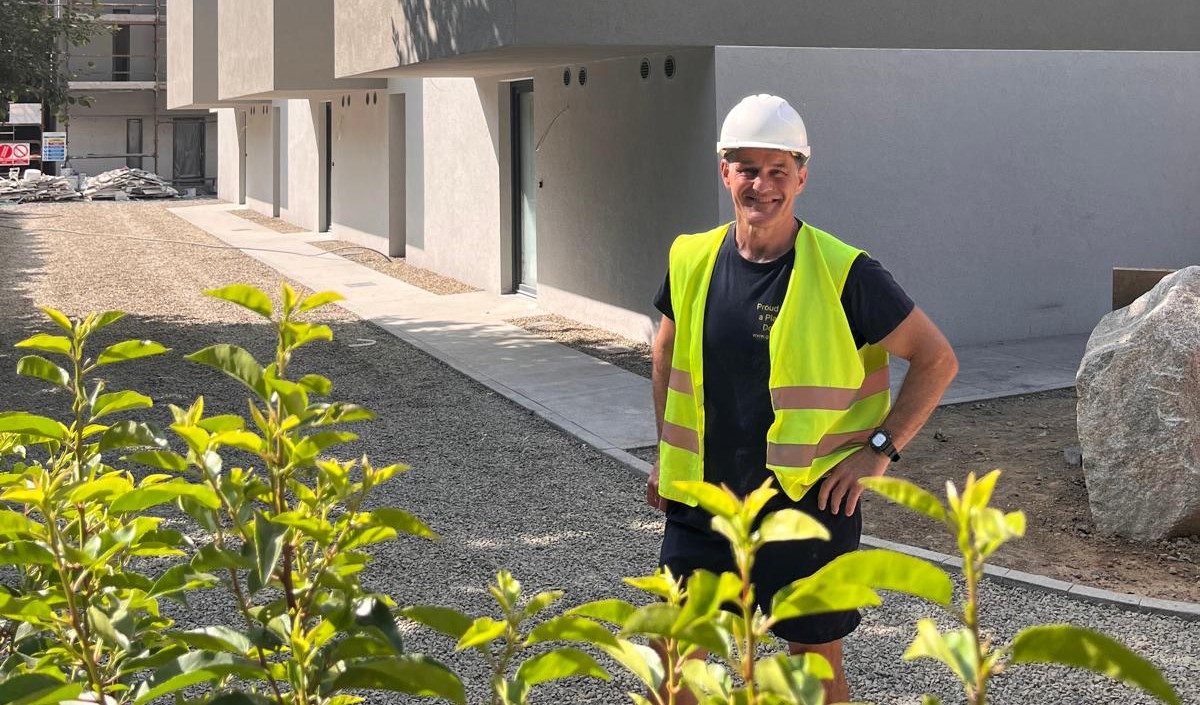
In 2008 he set up practice with a focus on smaller, high-quality residential projects, particularly those involving conservation and sustainable design and, over time, that developed into a passion for creating homes that aren’t just aesthetically pleasing, but perform exceptionally well for the people living in them.
It was around 2018, when the market was beginning to recover, that Mel felt the time was right to start developing again. What surprised him most was that finding sites wasn’t the challenge — the biggest obstacle, for the smaller developer, was accessing finance for the projects.
Traditional lenders had become extremely cautious, particularly when it came to the smaller developer. Planning permission could be in place, with a viable scheme all backed by years of experience but obtaining funding could still be a massive challenge. It was a disheartening situation — and it was when Mel first came across Property Bridges.
Commercial and sustainable
He says: “The first Property Bridges-funded project was quite unusual. We wanted to demonstrate that sustainability and good design could go hand in hand with commercial development. The project became Ireland’s first Passivhaus Plus standard home, certified by the Passivhaus Institute in November 2020. It was designed to produce as much energy as it consumed while delivering exceptional comfort and extremely low running costs.”
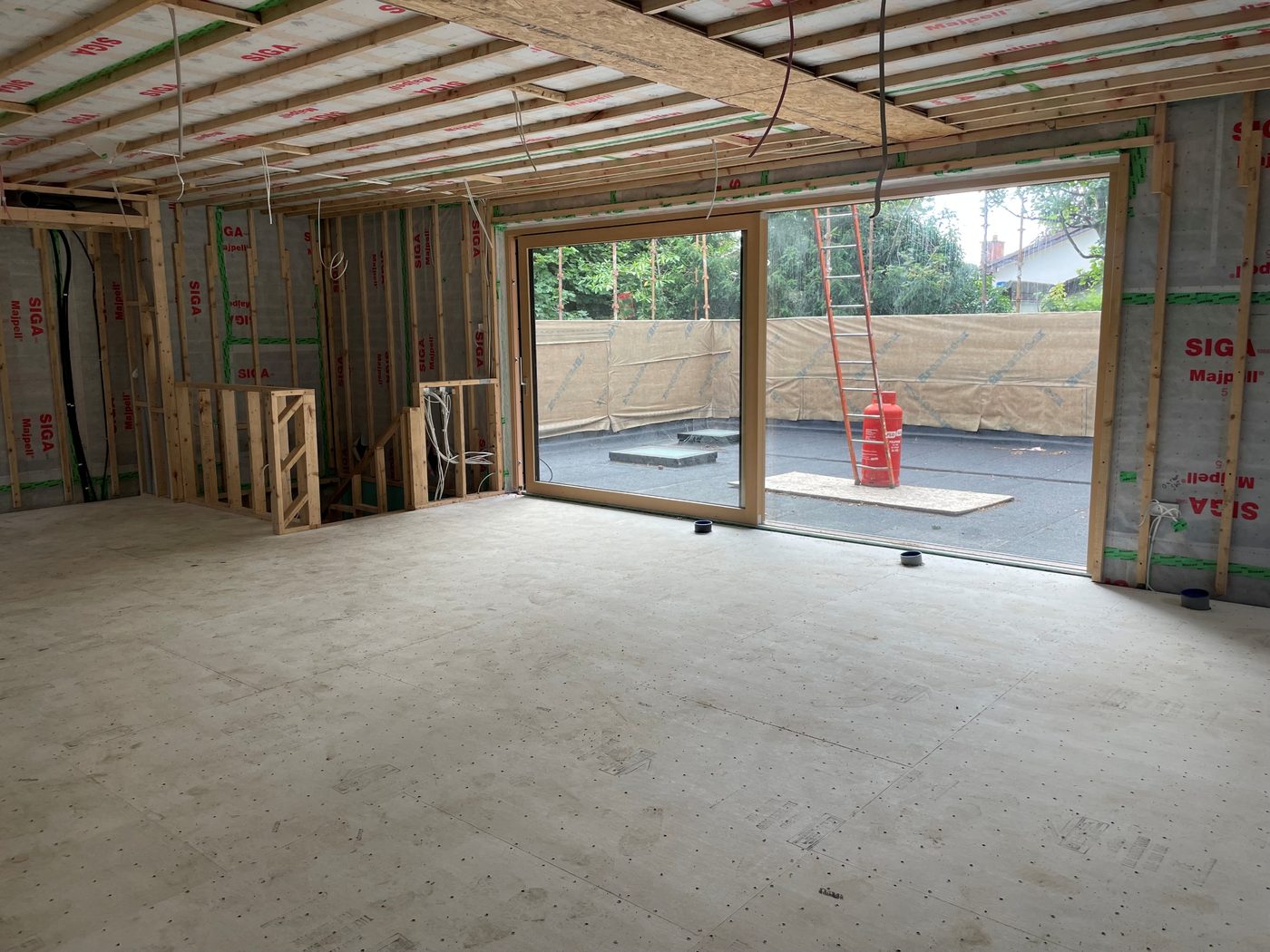
The Passivhaus (Passive House) standard is a rigorous, voluntary energy efficiency building certification that drastically reduces a building’s carbon footprint. It cuts space heating and cooling demands by up to 90% compared to standard construction, creating a comfortable, draft-free, and highly energy-efficient indoor environment. It is administered by the Passive House Association of Ireland.
For Mel, sustainability isn’t an optional extra — he sees it, quite simply, as good design.
Mel is currently building a phased residential development in Killiney, Co Dublin, around a protected structure with a substantial garden. The scheme combines careful restoration of the existing building with eight new homes designed to Passivhaus Plus principles, bringing together a number of things that he has always been interested in. When certified, this will be the first multi-unit development in Ireland to achieve this performance standard.
Mel explains: “The project combines conservation with contemporary sustainable housing. It’s exactly the sort of development I enjoy because it respects the existing building while creating homes that meet very high environmental standards.
“We’re delivering the scheme in phases, with the first four homes currently under construction. It’s a project that brings together everything I’m interested in: good architecture, sustainability and creating homes that will still perform exceptionally well decades from now.”
Understanding development
Mel believes the biggest difference Property Bridges makes to the funding process is that boutique developers like him are dealing with people who genuinely understand development.
He says: “Construction projects evolve and sometimes decisions need to be made quickly. Having direct access to experienced people who understand those realities is hugely valuable. Speed of response is important too — at key points in a project, answers will be needed quickly so that the work can move forward with confidence.”
Over the past 10 years, however, while first-time buyer lending recovered strongly, development finance never really came back to where it was. A whole category of lending has effectively disappeared.
Mel says: “You can have planning permission, a good site, realistic costs and even buyers lined up, but still struggle to secure funding. Property Bridges have identified a genuine gap in the market, connecting investors looking for productive investments with experienced developers who traditional lenders won’t finance. And, of course, for me and for many more like me, access to finance is fundamental.
“I often compare it to having a car without fuel. You can have the best site, the best design and all the experience in the world, but if you can’t finance the project, nothing gets built.”
Mel Reynolds FRIAI
Critically important
SME builders play a very significant role in addressing Ireland’s housing shortage — they comprise 90% of the industry and deliver about two-thirds of Ireland’s new homes. Smaller builders, in particular, bring forward infill developments, regeneration projects and local housing schemes of perhaps four, eight or 12 homes that larger companies won’t pursue.
The people who invest with Property Bridges are also needed, Mel believes, and he says that they should be proud of the fact that their investment is helping projects happen that otherwise might never leave the drawing board.
Mel has his own war stories: “I remember speaking to another developer in 2019 who had secured a sales contract for more than 50 homes to a Local Authority. The site was owned outright, there were no legacy issues, the numbers stacked up and the project was commercially viable with a state-backed purchaser. Yet he still couldn’t obtain development finance from the banks.”
This is exactly the type of situation where alternative funding becomes critically important. Property Bridges carries out rigorous due diligence and supports experienced developers delivering real projects. Those investments create homes, support local employment, strengthen supply chains and contribute directly to increasing housing supply.
Mel adds: “We’ve come back to Property Bridges because the experience has been consistently positive. The model works, the people understand development and they’ve created an important source of finance for SME builders.
“If Ireland wants to build more homes and a thriving building sector, we need more capital flowing into viable development projects. Access to finance doesn’t solve every problem in housing, but without it, good projects simply don’t happen.”